Moose Mountains Regional Greenways Announces Permanent Conservation of the Jane K. Wingate Memorial Forest in Farmington, NH
Union, NH — Moose Mountains Regional Greenways (MMRG) is proud to announce the official conservation of the Jane K. Wingate Memorial Forest, a 56‑acre property along Meaderboro Road in Farmington, now permanently protected for its exceptional ecological, water quality, and community value.
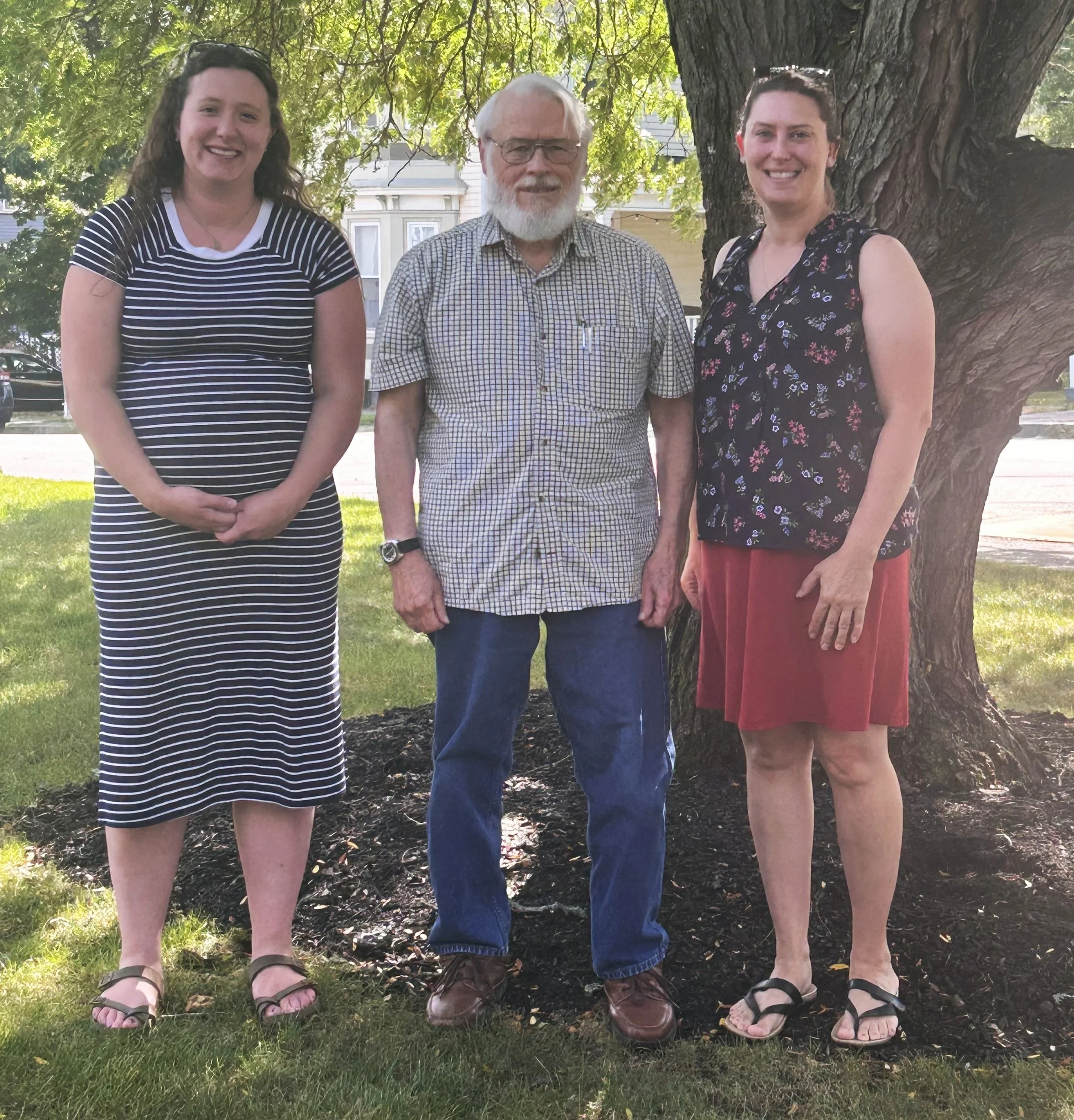
MMRG Staff with John Wingate at closing
David Leary’s connection to the land spans three generations—childhood walks with his grandmother, photography outings with his mother, and now visits with his own son along those same familiar trails. While reminiscing about the property, David said, “I know my mom would be beyond thrilled to know that the land she treasured is protected for future generations of grandparents and grandchildren to wander its paths.”
Located within the Salmon Falls watershed, the Wingate Forest includes more than 4,500 feet of frontage along the Berry River, a critical tributary feeding Rochester’s three major drinking‑water reservoirs. Both the Rochester and Farmington Master Plans identify this watershed as a key municipal water resource, and conserving this land ensures long‑term protection of one of the region’s cleanest and most important waterways.
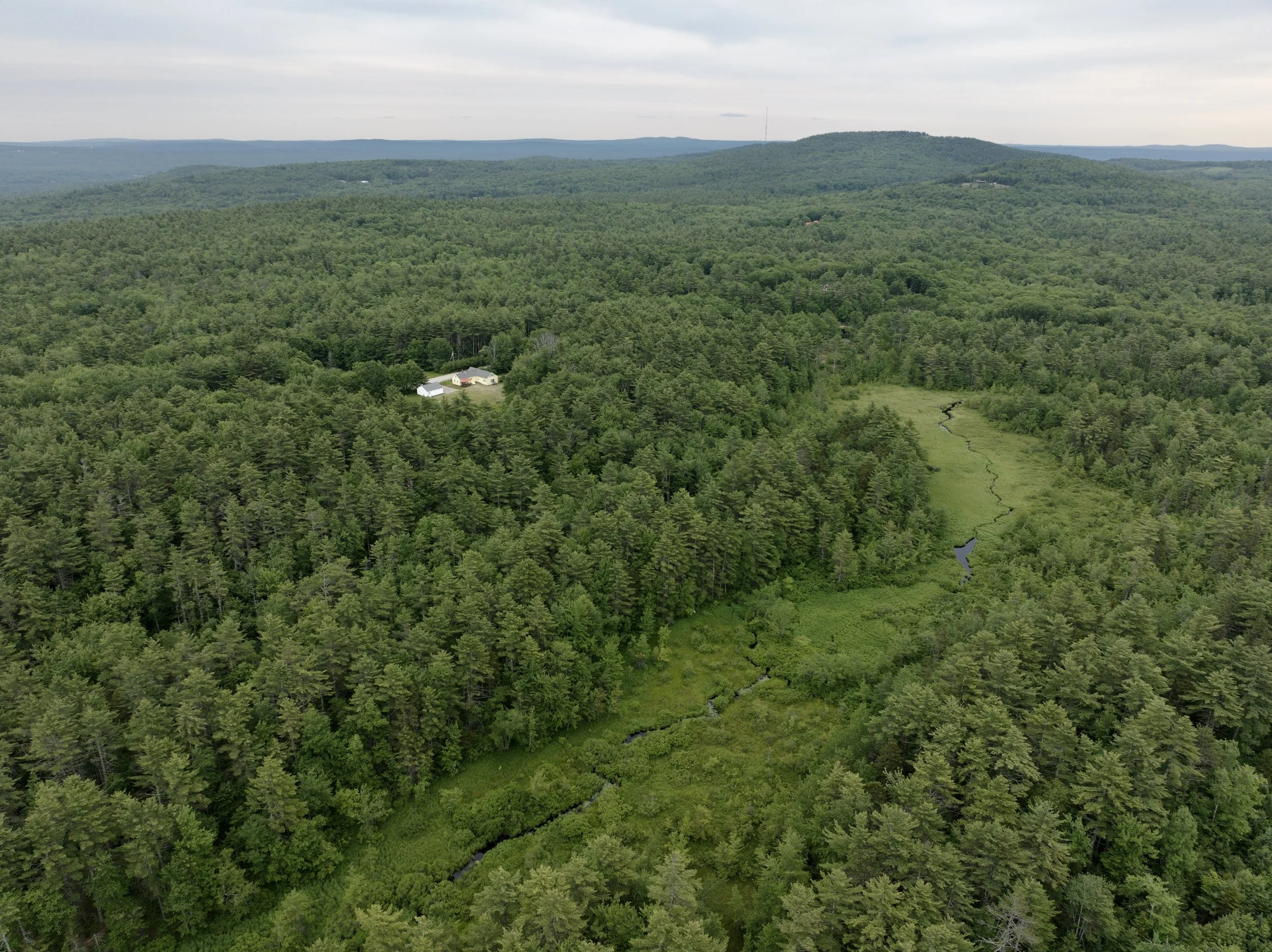
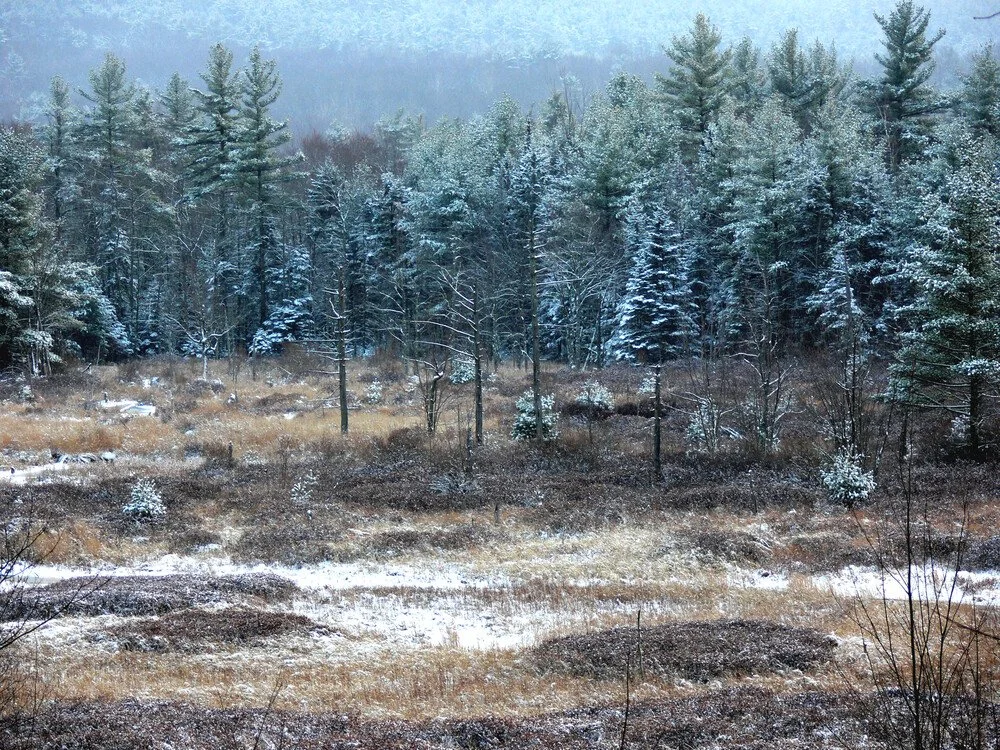
Nearly the entire property falls within MMRG’s Tier 1 Conservation Action Plan focus area, reflecting its highest priority status for natural resource protection. According to the NH Fish & Game Wildlife Action Plan, 98% of the Wingate Forest contains high‑value wildlife habitat, and state wildlife connectivity modeling shows strong permeability for animal movement. More than 42 acres fall within a prioritized habitat block, and The Nature Conservancy’s Resilient Lands Mapping Tool ranks the property as slightly above average in climate‑change resilience.
The Wingate Forest also strengthens a growing corridor of conserved lands. It is adjacent to 2,200 acres of protected open space, including privately conserved lands, Blue Hills Foundation holdings, and the Blue Job State Forest. MMRG’s nearby conserved properties—Leary Field and Forest, Thompson Family Conservation Easement, and Widowmaker Farm—further expand this connected landscape.
With conservation now secured, MMRG will begin planning modest public access improvements, including a small parking area, kiosk, and a low‑impact trail system for passive recreation. These amenities will allow Farmington residents and visitors to enjoy outdoor experiences and participate in MMRG’s educational programs, such as forestry walks and ecology workshops.
“LCHIP is proud to support projects like the Jane K. Wingate Memorial Forest that bring together landowners, conservation organizations, municipalities, and State agencies to achieve lasting conservation outcomes,” said Paula Bellemore, Executive Director of LCHIP. “The Wingate Forest demonstrates how strategic investments can work together to protect resources of not only local but also statewide significance.”
The conservation of the Wingate Forest was made possible through funding secured from the Land and Community Heritage Investment Program (LCHIP), NH Department of Environmental Services Drinking Water Groundwater Trust Fund (NHDES DWGTF), NHDES Local Source Water Protection Program, the New Hampshire Charitable Foundation Thomas W. Haas Fund, the City of Rochester and a generous donation from the landowner.
About Moose Mountains Regional Greenways
MMRG, a non-profit land trust, works to conserve and connect important water resources, farm and forest lands, wildlife habitats, and recreational land in Brookfield, Farmington, Middleton, Milton, New Durham, Wakefield, Ossipee, Tuftonboro and Wolfeboro. Throughout the year, both BHF and MMRG offer many educational opportunities to inform all ages about the benefits of our region’s natural resources. For more information and a calendar of upcoming events, visit www.mmrgnh.org
About the New Hampshire’s Land and Community Heritage Investment Program
The New Hampshire Land and Community Heritage Investment Program (LCHIP) is an independent state authority providing matching grants to New Hampshire’s municipalities and non-profits, helping to preserve the state’s most important natural, cultural, and historic resources and ensure their contribution to the economy, environment, and quality of life in New Hampshire. LCHIP grants are funded by a $25 fee assessed when deeds, mortgages, and plans are recorded at the state’s ten registries of deeds.
Since 2001, LCHIP has awarded 646 grants, totaling over $68 million to nearly 350 communities and nonprofits across 210 NH communities. As of July 2026, the Program’s investment has helped to conserve more than 247,000 acres of land and rehabilitate 192 historic structures. Learn more about how LCHIP is helping to preserve and protect New Hampshire’s heritage at LCHIP.org, by following LCHIP_NH on Instagram, or LCHIPNH on Facebook.