Restoring Teneriffe Mountain Field
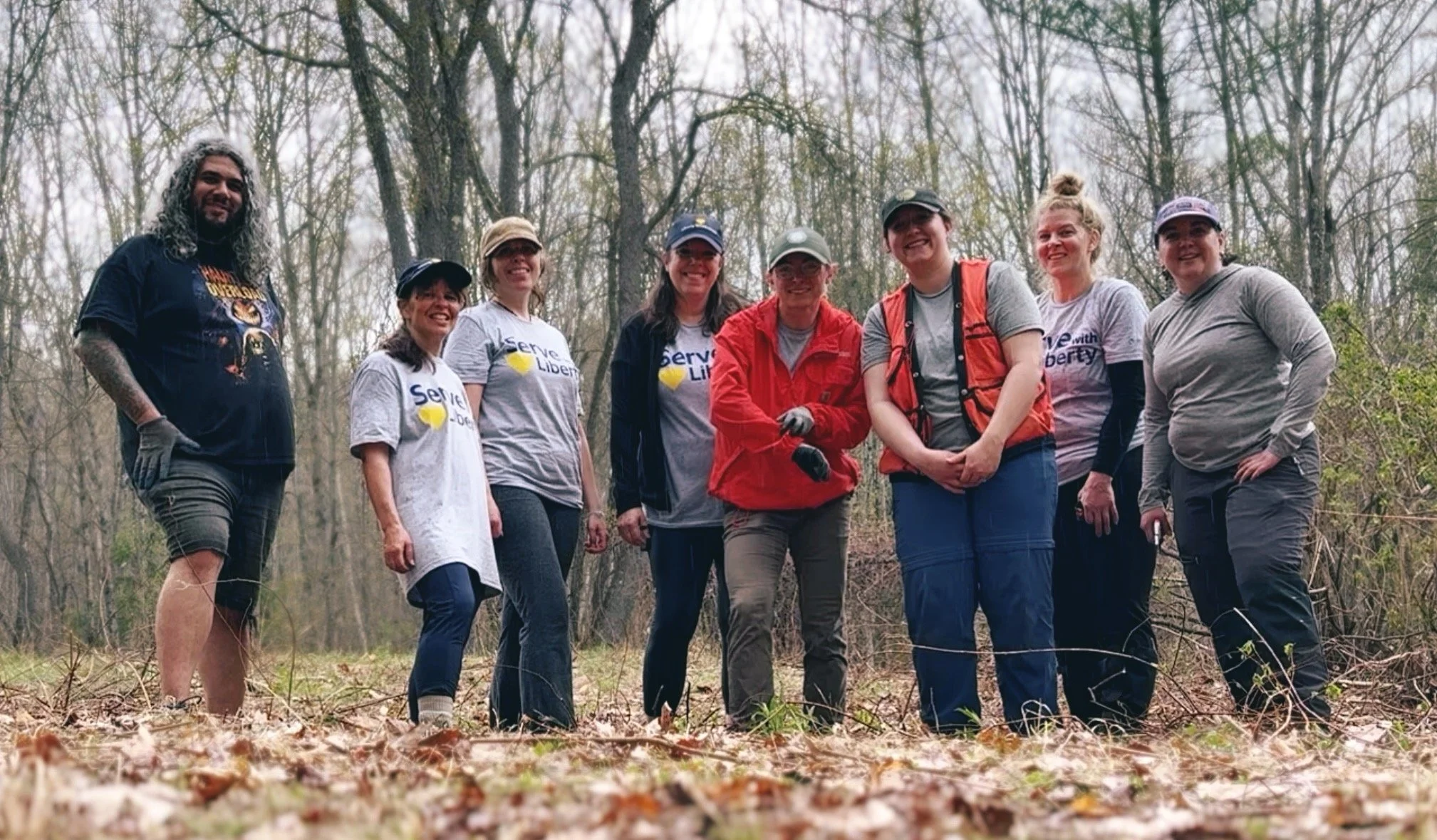
Liberty Mutual Volunteers Join Forester for UNH Cooperative Extension’s Belknap & Strafford Counties Lindsay Watkins and MMRG staff to Remove Invasives
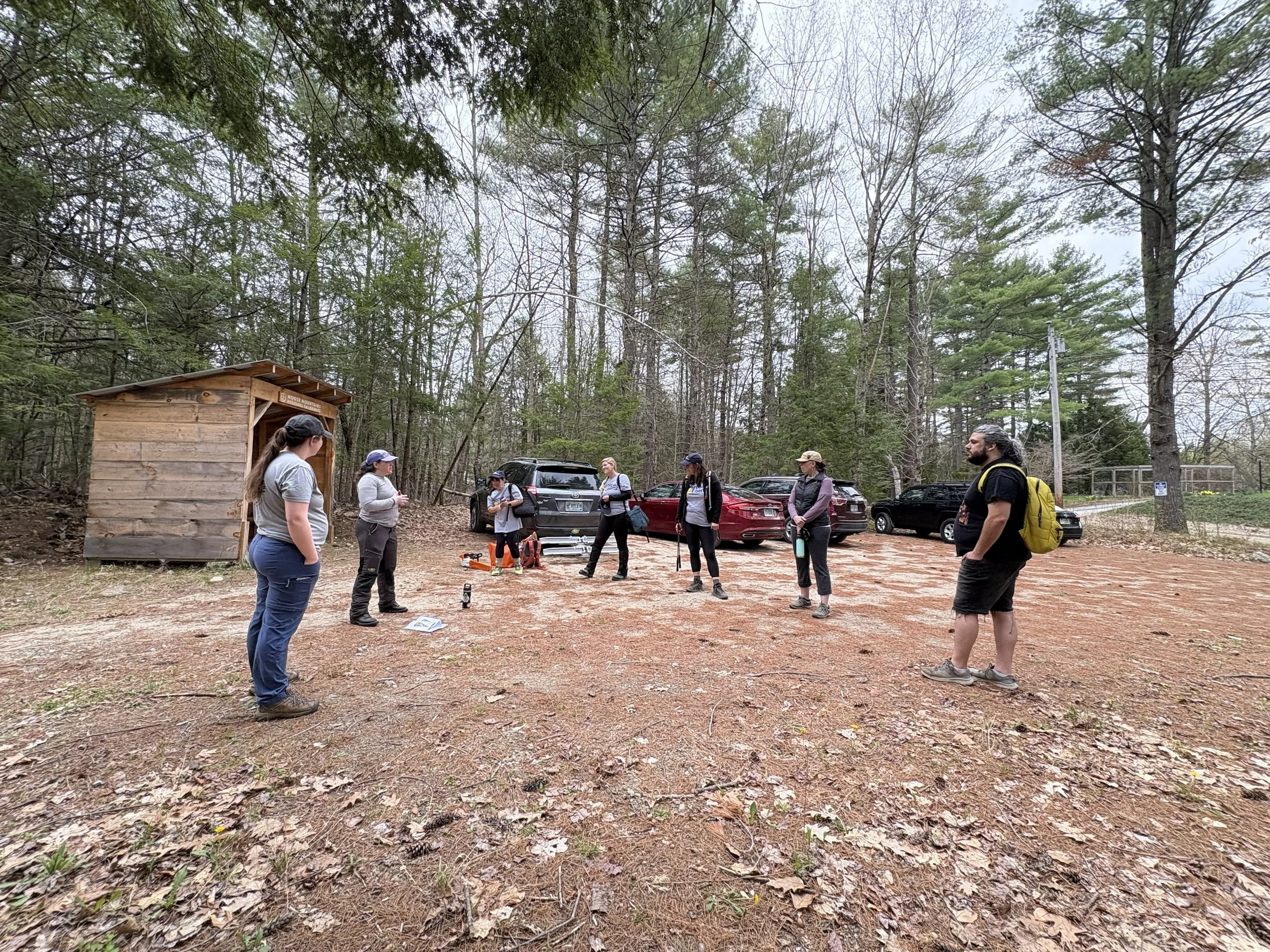
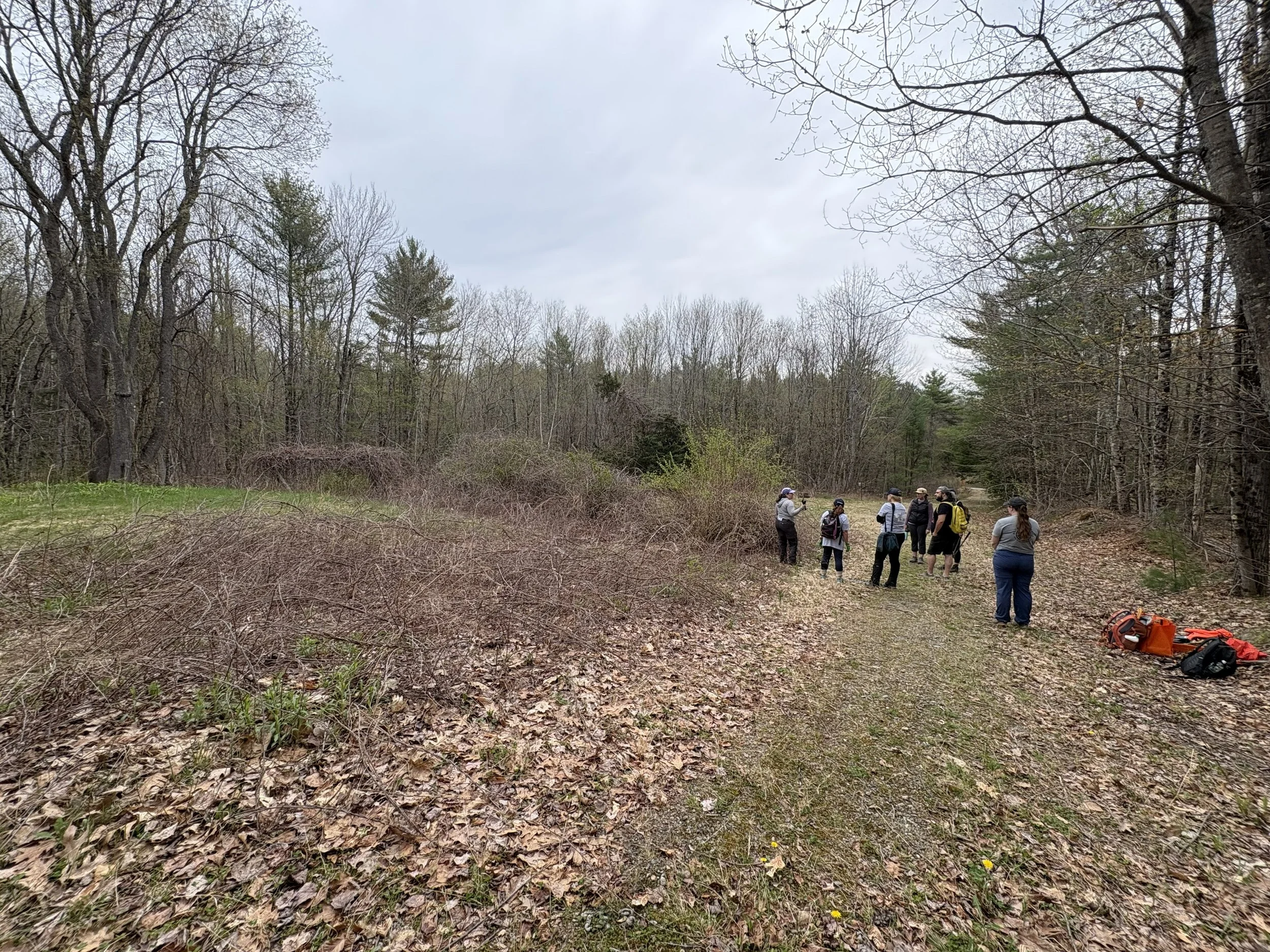
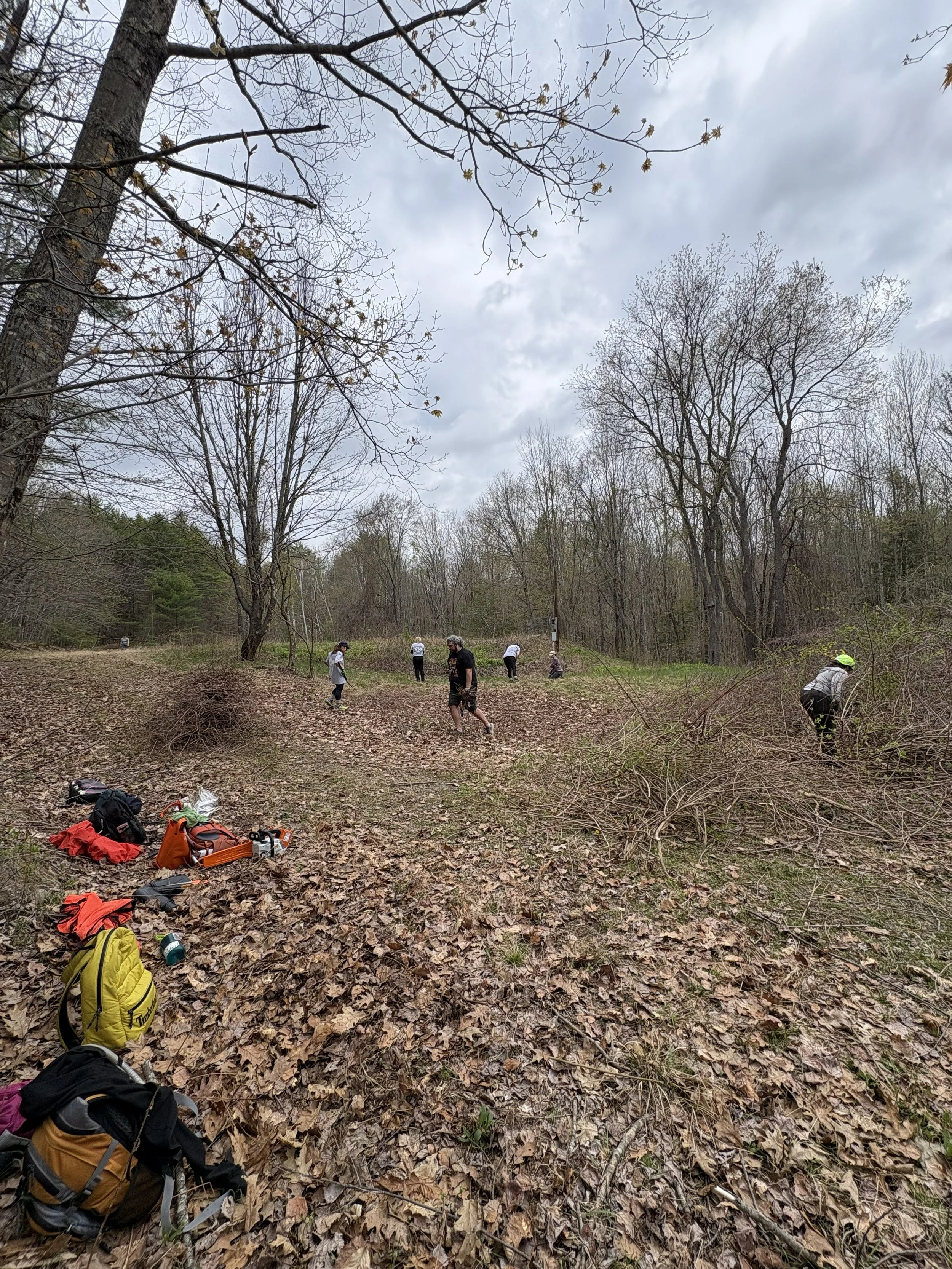
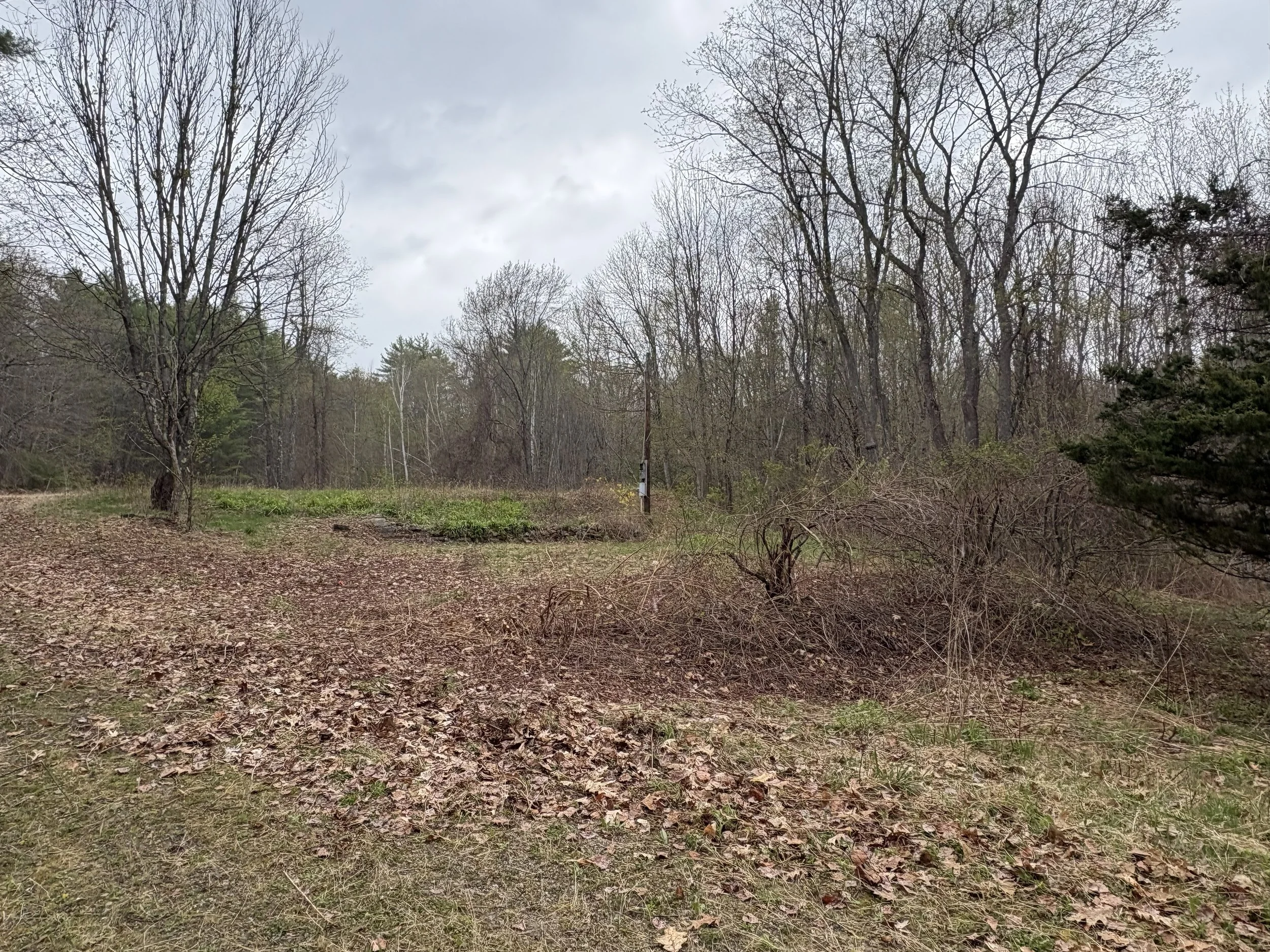
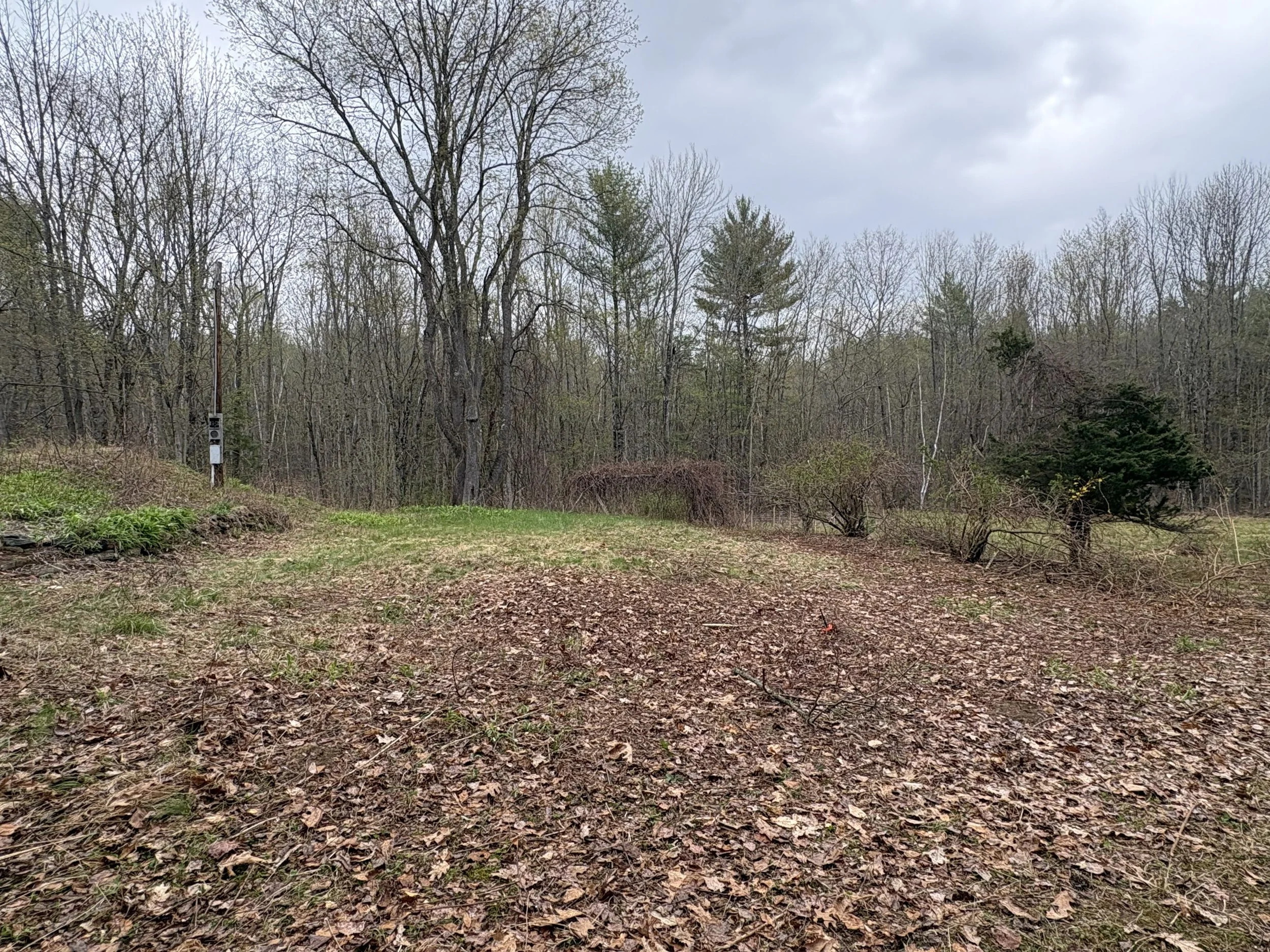
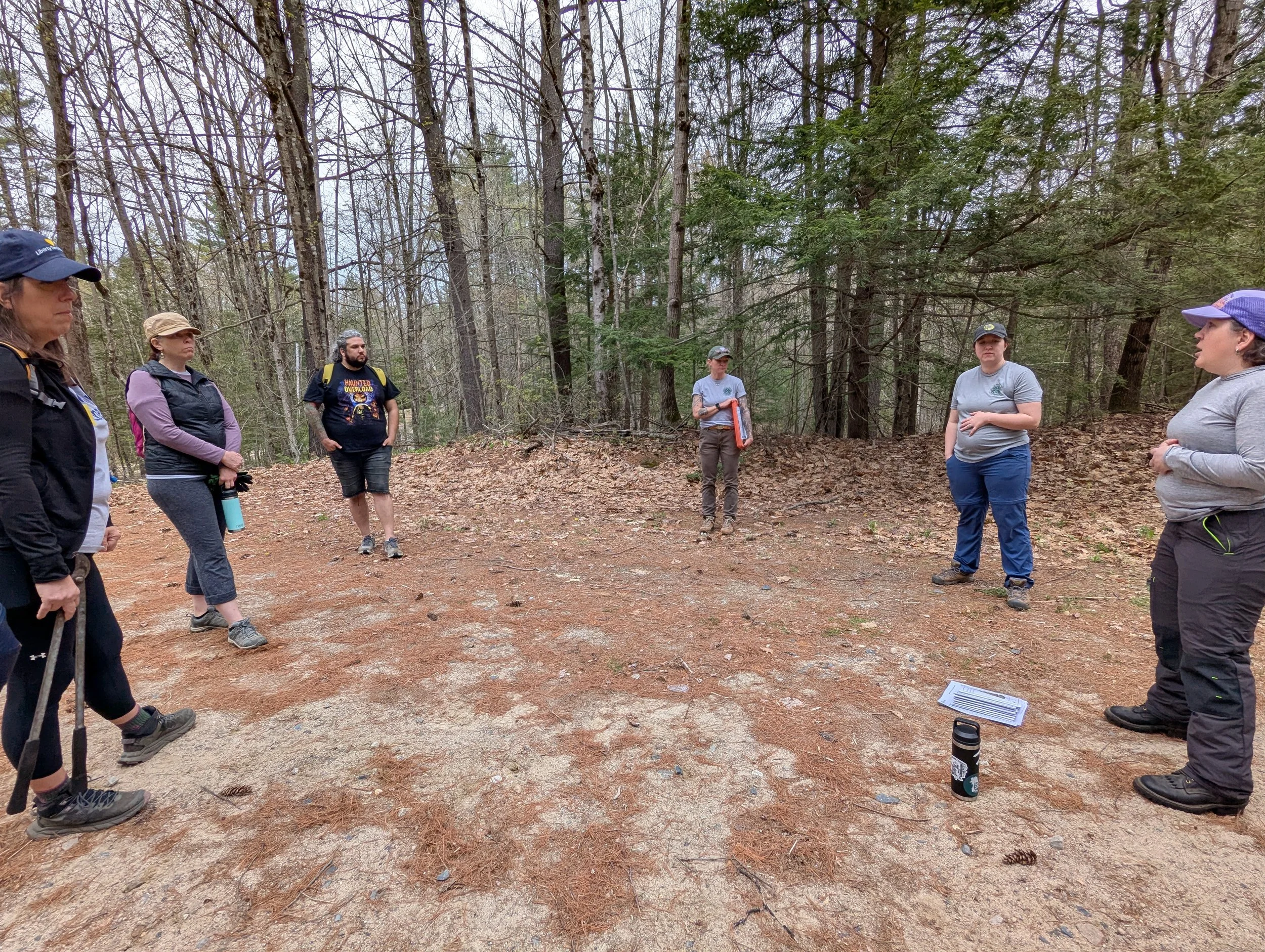
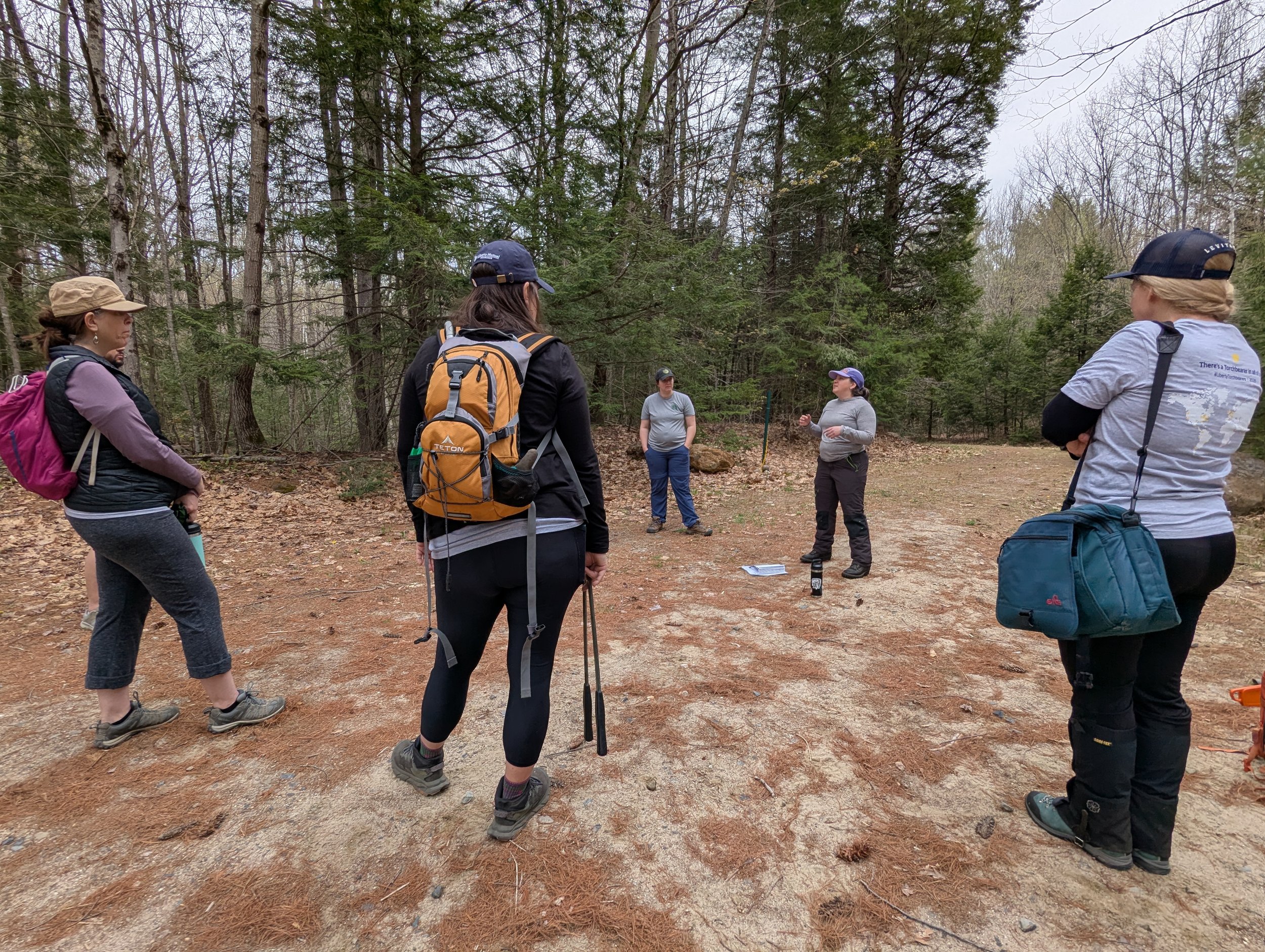
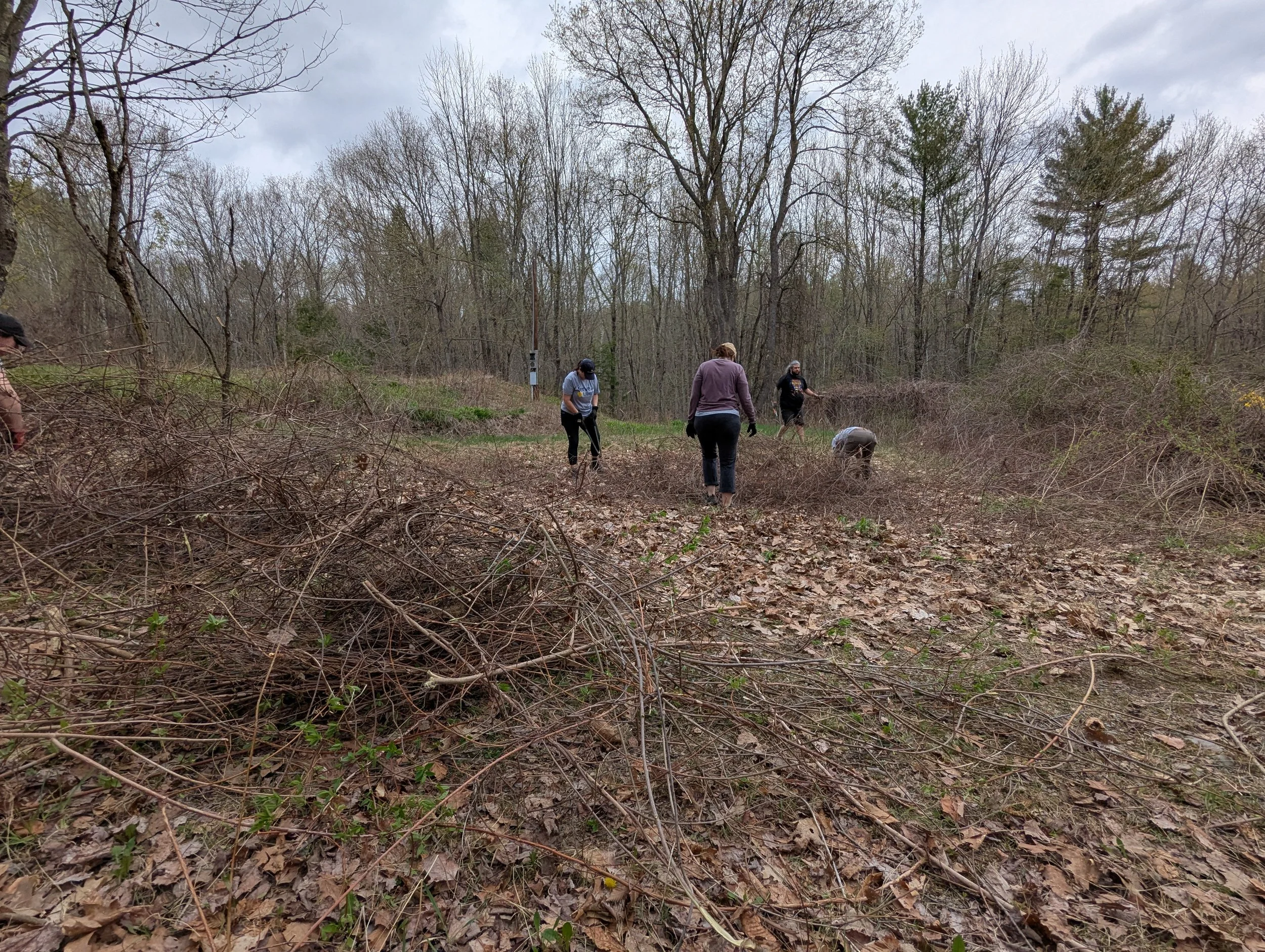
On May 6, 2026, Liberty Mutual volunteers joined MMRG staff and Lindsay Watkins, Forester for UNH Cooperative Extension’s Belknap & Strafford Counties, for a hands‑on invasive species removal day at Teneriffe Mountain Forest. MMRG is the fee owner of Teneriffe Mountain Forest, and Southeast Land Trust (SELT) holds the conservation easement, offering a double layer of protection for this important property known for its rare plant communities, rugged terrain, and one of the northernmost documented stands of Chestnut Oak. The focus for the day centered on a small but ecologically important field opening that provides habitat diversity, supports pollinators, and helps maintain the forest’s structural mosaic.
A Field Worth Protecting
This field is also the focus of a broader restoration effort supported by theNRCS Conservation Stewardship Program (CSP). With this funding, MMRG has begun planting native trees and shrubs along the field edge to strengthen habitat, improve resilience, and outcompete invasive species over time. Staff recently planted a variety of native seedlings such as highbush blueberry, black chokeberry, hazelnut, red maple, and sugar maple. Volunteer stewardship days like this one help ensure those young plantings have the best possible chance to thrive.
Removing Invasives the Smart Way
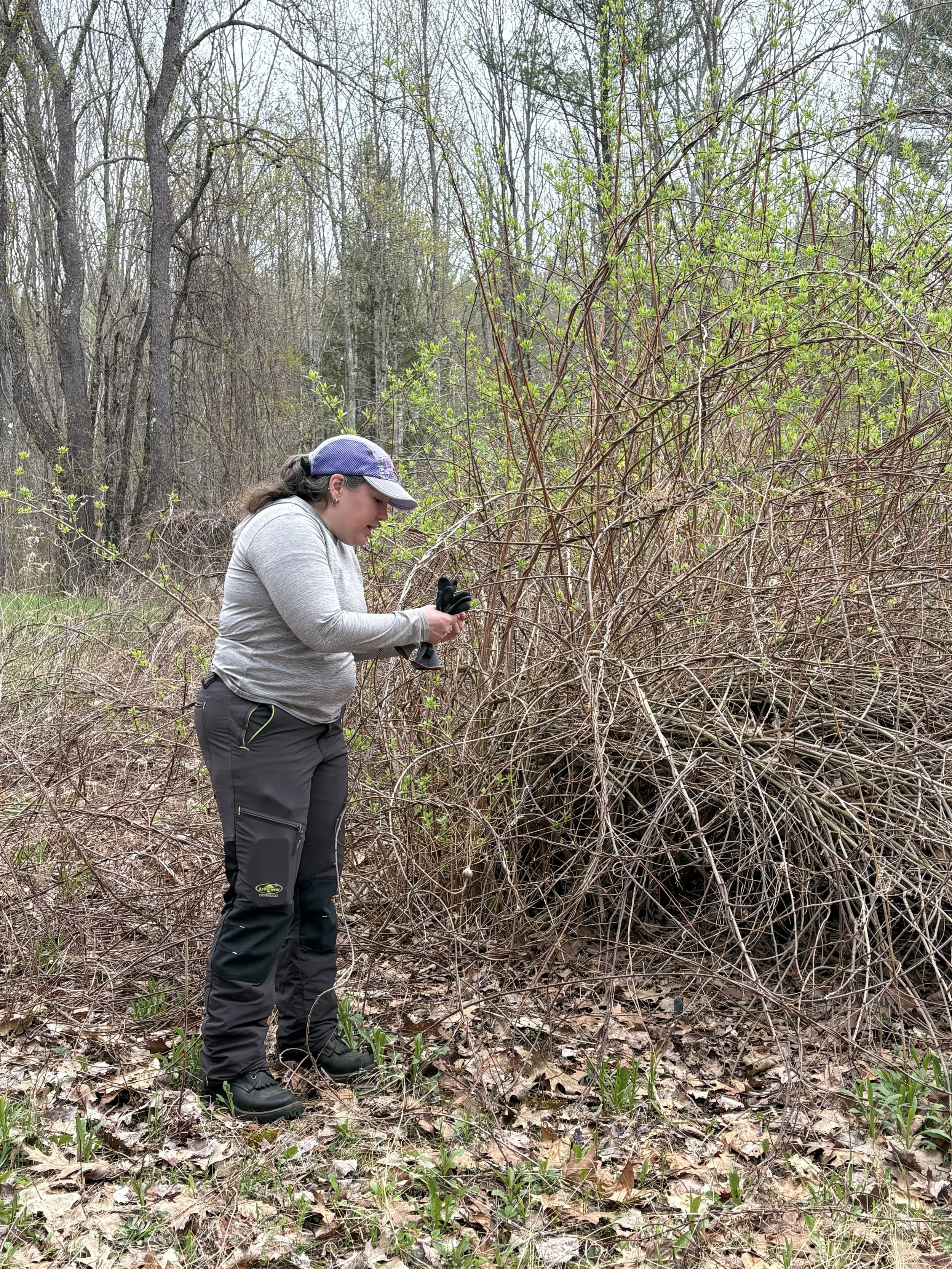
Under Lindsay Watkins’ guidance, volunteers learned how to use a targeted technique called window pruning to weaken invasive bittersweet vines without disturbing the soil.
Lindsay explained the approach during her demonstration:
“The best approach to mechanical control for bittersweet is what we call window pruning or window cutting, where we’re cutting vines at the base where they’re growing out of the ground and then we’re cutting it at again around eye-level. We don’t have to go too high up, but the goal is to disconnect the root system from the part of the plant that’s in the tree and then over time, the stuff that’s in the tree will die and hopefully fall out.”
This method protects the host trees whose shade naturally suppresses bittersweet while avoiding unnecessary soil disturbance
Why We Don’t Dig
When a volunteer asked why we wouldn’t simply dig out the roots, Lindsay offered an important ecological insight:
“Mostly it’s too much work, and we also know that there will be seed in the soil from bittersweet and other invasives, and we know invasives do really well in disturbed soil. The more digging we do, the more we stir things up and potentially promote more regrowth, so to the extent that we can not disturb the soil we’re minimizing the potential for invasives to come back as quickly.”
This is a core principle of invasive‑species management: sometimes the least disruptive method is the most effective.
Stewardship Is a Long‑Term Commitment
Lindsay also emphasized that invasive control is not a one‑time fix:
“With most of the invasives that we’re dealing with at this point, we’re going to be in situations where we’re going to have to make some strategic decisions about how to manage them. We can’t just go all in and just start pulling and cutting – it’s probably not the strategy that’s going to get us very far in the end, identifying small areas to focus on and then doing repeat follow up work is really the way to go.”
This philosophy aligns perfectly with the NRCS‑supported restoration work now underway. As native plantings establish and shade increases, the field edge will become more resilient—and each volunteer day helps accelerate that transition.
Thank You, Volunteers
We extend our sincere thanks to the Liberty Mutual team for their energy and enthusiasm, and to County Forester Lindsay Watkins for her expertise and thoughtful guidance. Together, we’re making meaningful progress toward restoring the ecological health of Teneriffe Mountain Forest and ensuring this special landscape continues to thrive.